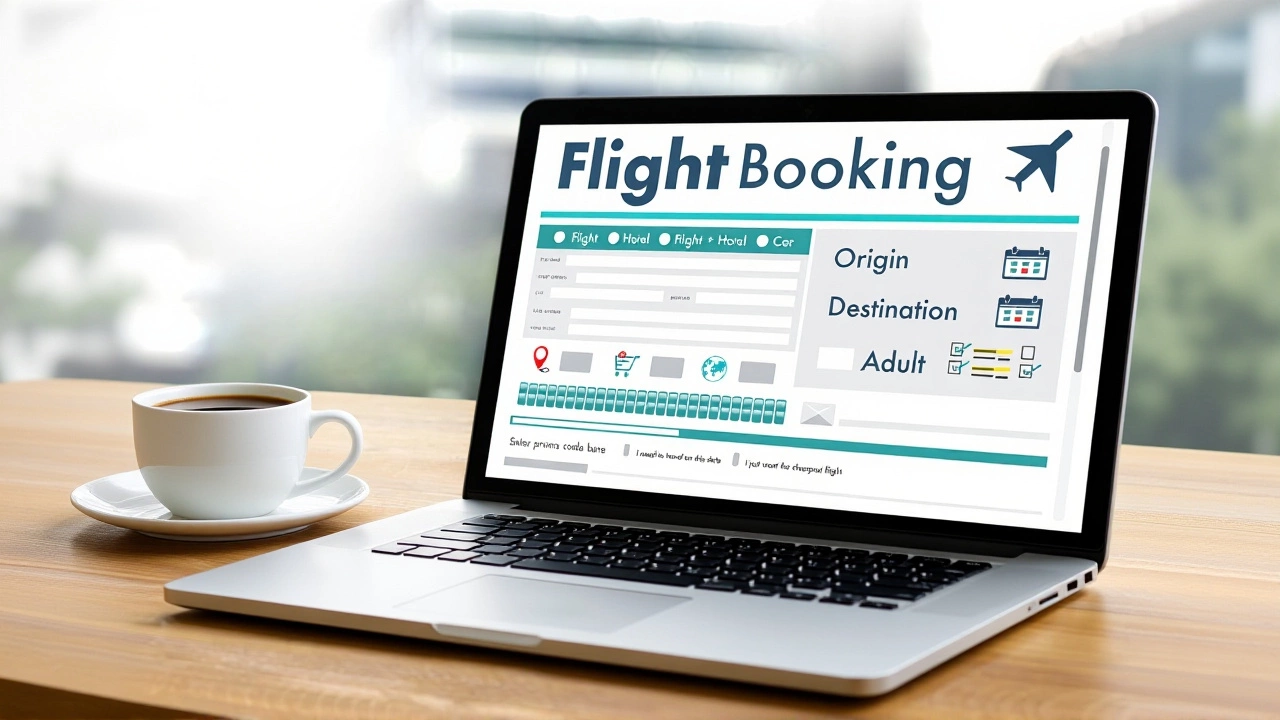
When Rajesh Kumar, a frequent business traveler from Delhi, tried to cancel his flight last month, he expected a standard fee. What he got was a bill that made no sense. The airline charged him ₹3,999 for the cancellation, but the online travel agency (OTA) he booked through kept another chunk of money, leaving him with a refund that felt like a robbery. He’s not alone. Turns out, this is happening across India, and the government has finally had enough.
The Central Government of India has launched a sweeping investigation into online flight booking platforms after reports surfaced that some agencies are charging customers up to 15 times the regulated amount for ticket cancellations. This isn’t just about saving a few rupees; it’s about systemic exploitation of consumer trust in a digital-first travel market.
The Disappearing Refund Mystery
Here’s the thing: when you book a flight through an OTA like Flipkart or Agoda, you’re dealing with two separate entities—the airline and the platform. But when things go wrong, the blame game begins.
Take the case of Akasa Air. In one reported incident, the low-cost carrier deducted ₹3,999 from a ticket price and refunded ₹2,041 to the customer. Sounds straightforward? Not quite. When the same ticket was booked via Flipkart, the passenger received only ₹888 back. Where did the rest of the money go?
It’s a common frustration. Passengers assume the OTA acts as a simple intermediary, passing refunds directly from the airline. But investigations reveal that many platforms add their own "service charges" or "convenience fees" on top of the airline’s cancellation penalty. In some egregious cases, these additional fees have been found to be 15 times higher than what regulations permit. That’s not a service fee; that’s a penalty trap.
Who Is Getting Investigated?
The probe isn’t limited to one company. It covers major players including Agoda, which recently came under fire after a Bharatiya Janata Yuva Morcha (BJYM) leader shared his experience on social media. He had accidentally booked a flight to Navi Mumbai instead of Mumbai via Agoda. When he tried to cancel, the platform retained ₹4,764—a figure that raised eyebrows and sparked public outrage.
The Directorate General of Civil Aviation (DGCA), India’s civil aviation regulator, is also scrutinizing refund processes. Their focus is on whether OTAs are adhering to the Consumer Protection Act and specific aviation guidelines designed to protect passengers. The details of the full scope are still being finalized, but the message is clear: if you’re hiding fees in fine print, we’re coming for you.

What Are Your Rights? A Quick Guide
If you’ve ever felt confused by airline rules, you’re not alone. But here’s the good news: Indian regulations actually offer strong protections, provided you know where to look. Here’s what the law says:
- The 48-Hour Cool-Off Period: You can cancel or modify your booking within 48 hours of purchase without any extra charge. This applies if your domestic flight is at least 7 days away, or international flights 15 days away.
- Name Corrections: Made a typo? You can correct the passenger’s name within 24 hours of booking for free.
- Refund Timelines: If you paid by credit card, the refund must hit your account within 7 days. For bookings made through agents or OTAs, the airline is responsible for ensuring the refund is processed within 14 working days.
- Tax Refunds: Airlines must refund all statutory taxes, including User Development Fee (UDF), Airport Development Fee (ADF), and Passenger Service Fee (PSF), even if the ticket is non-refundable.
- Transparent Pricing: Cancellation charges must be displayed clearly. Crucially, an airline cannot charge more for cancellation than the sum of the base fare and fuel surcharge.
But wait—here’s the twist. While airlines are bound by these rules, OTAs often operate in a gray area, claiming they are merely facilitating the transaction. The current investigation aims to close this loophole.
Why This Matters Now
India’s aviation sector has exploded in recent years, with new entrants like Akasa Air disrupting the market with lower fares. However, the rise of budget travel has coincided with a surge in online bookings. According to industry data, over 60% of domestic tickets are now sold through third-party platforms.
This shift has created a disconnect. Passengers expect seamless service, but they’re getting fragmented accountability. When a refund is delayed or reduced, the airline blames the OTA, and the OTA blames the airline. The result? Consumers lose money and patience.
Experts argue that this crackdown is long overdue. "The current model incentivizes opacity," says one travel industry analyst. "Platforms profit from confusion. Regulators need to enforce transparency, not just suggest it."
What’s Next for Travelers?
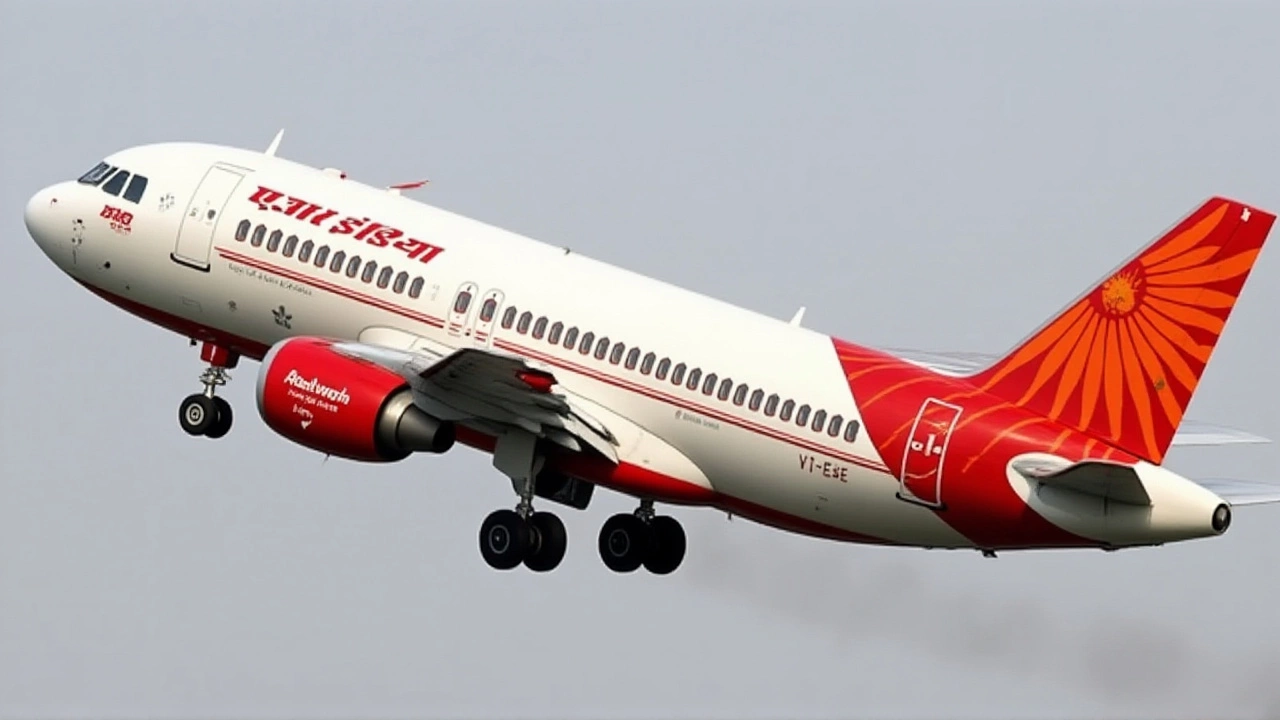
In the short term, expect stricter audits of OTA practices. Companies may be forced to display all-inclusive prices upfront, including potential cancellation penalties. Long-term, this could lead to standardized refund policies across all platforms, reducing the hassle for travelers.
For now, the advice is simple: read the fine print. Check who is issuing the ticket—the airline or the agent. And if you’re within that 48-hour window, don’t hesitate to use your right to cancel without penalty. The system is flawed, but your rights are real.
Frequently Asked Questions
Can I get a full refund if I cancel within 48 hours?
Yes, under current DGCA guidelines, you are entitled to a full refund without any penalty if you cancel or modify your booking within 48 hours of purchase. This applies to domestic flights scheduled at least 7 days in advance and international flights 15 days in advance. However, ensure the ticket was purchased directly or through an agent that honors this rule.
Why am I receiving less money back from an OTA than the airline?
Online Travel Agencies (OTAs) often deduct their own "service fees" or "processing charges" before passing the remaining refund to you. While airlines may refund the base fare minus their cancellation penalty, OTAs may retain additional amounts. The ongoing government investigation targets these excessive deductions, which can sometimes exceed regulated limits by up to 15 times.
How long does it take to receive a refund?
If you booked directly with the airline using a credit card, the refund should appear within 7 days. If you booked through an OTA or travel agent, the airline is legally required to process the refund within 14 working days. Delays beyond this period can be reported to the Consumer Forum or the DGCA.
Do I get my taxes back if the ticket is non-refundable?
Yes. Even if your ticket is labeled "non-refundable," airlines are mandated to refund all statutory taxes and fees. This includes the User Development Fee (UDF), Airport Development Fee (ADF), and Passenger Service Fee (PSF). These components are government levies and cannot be withheld by the airline or OTA upon cancellation.
Which companies are currently under investigation?
The probe is wide-ranging and includes major online booking platforms such as Agoda and Flipkart, as well as various travel agencies. Specific names like Akasa Air have been mentioned in consumer complaints regarding refund discrepancies, though the investigation focuses primarily on the intermediaries (OTAs) rather than just the airlines.