When Mahindra & Mahindra Limited unveiled the XEV 9S in Bengaluru on November 27, 2025, the biggest surprise wasn’t its range, its seating, or even its price — it was the correction. For weeks, tech blogs had buzzed about a five-screen dashboard. Turns out, that was fiction. The real story? A clean, purpose-built triple-screen display system — three 12.3-inch panels running on the Qualcomm Snapdragon 8155 chip — standard across all four variants. No gimmicks. No overkill. Just smart, integrated tech that actually works.
Why the Triple Screen Matters — Not Just the Number
The XEV 9S isn’t trying to compete with a gaming rig. It’s competing with the expectations of Indian families who want tech that feels intuitive, not overwhelming. The three screens — digital instrument cluster, central infotainment, and a passenger display — are arranged in a seamless, coast-to-coast layout. No bezels. No awkward gaps. And crucially, all three are powered by the same processor, so there’s no lag between navigation on the center screen and the passenger watching Netflix. That’s not just luxury — it’s usability.
Even the base Pack One variant includes wireless Android Auto, Apple CarPlay, 5G connectivity, and preloaded apps for OTT, social media, and shopping. No need to plug in your phone. No need to juggle apps. The BYOD (Bring Your Own Device) system lets you mirror your phone’s interface without cables, and Amazon Alexa handles voice commands for climate, media, and navigation. It’s not flashy — it’s frictionless.
The INGLO Architecture: Mahindra’s Electric Foundation
What makes the XEV 9S different from other EVs in India isn’t just the screens — it’s the platform. Built on Mahindra & Mahindra Limited’s dedicated INGLO architecture, this isn’t a converted ICE SUV with batteries stuffed in. The battery pack sits low in the chassis, improving weight distribution. The suspension — iLink front with 5-link rear — is tuned for Indian roads, not German autobahns. And the 500 km real-world range? That’s not a lab number. Mahindra tested it with AC on, highway speeds, and two adults and three kids in the back. The numbers hold.
Under the hood, you’ve got two battery options: 59 kWh for the lower variants and 79 kWh for the top-end Pack Three Above. That’s enough to outpace the Tata Nexon EV and match the MG ZS EV in range, but with more space and better tech. The 18-inch alloy wheels with aero covers aren’t just for looks — they cut drag. Even the cooled console storage and FATC (Front and Rear Air Conditioning) with rear vents show Mahindra understood what Indian families actually need.
What’s in Each Variant — And What’s Worth Paying Extra For
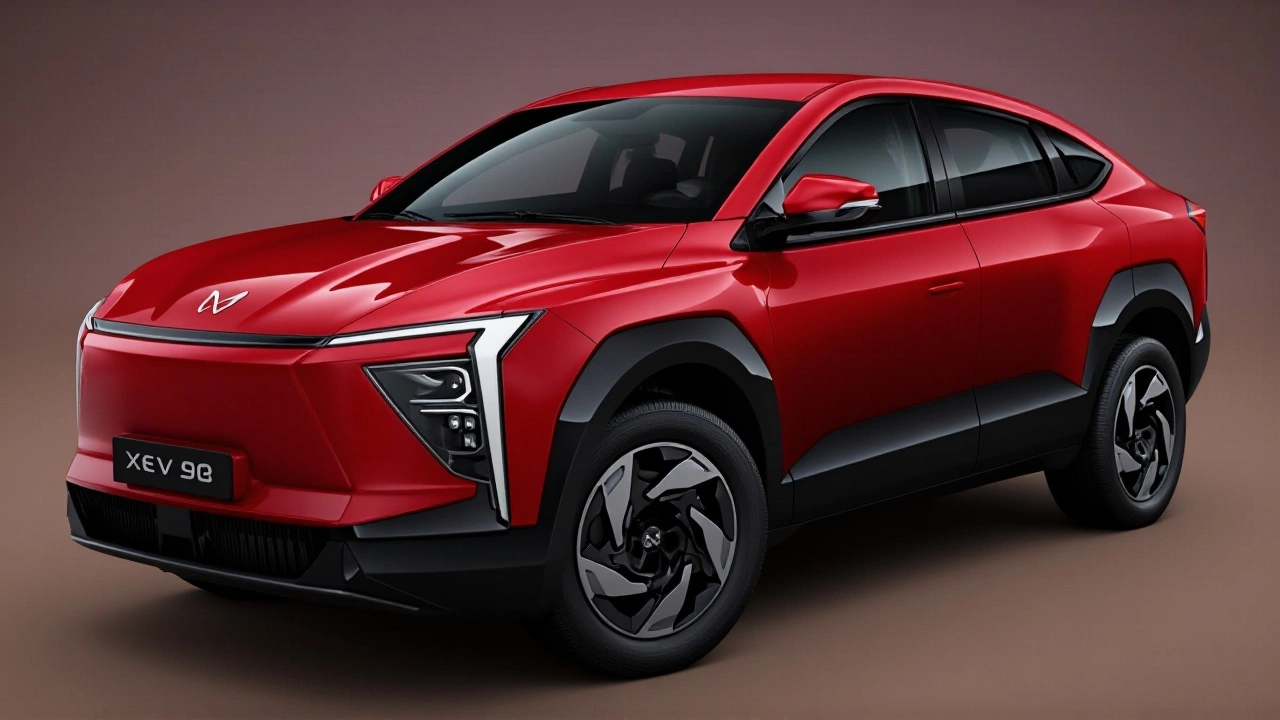
There are four variants: Pack One, Pack One Above, Pack Two Above, and Pack Three Above. The base model already gives you six airbags, panoramic sunroof, reclinable second-row seats, driver drowsiness detection, and the triple-screen setup. That’s more than most competitors offer at ₹19.95 lakh.
But here’s where it gets interesting. The Pack Two Above adds a seventh airbag — a driver knee airbag — and L2+ ADAS with five radars and one vision camera. That’s not just parking assist. That’s automatic lane keeping, adaptive cruise, and emergency braking that works at highway speeds. Then comes the Pack Three Above — the one that started test drives on December 5, 2025. It upgrades to the Snapdragon 8295 chip (24GB RAM, 128GB storage), adds AutoPark Assist, video calling, drive recording, VisionX AR-HUD, Eyedentity (driver attention monitoring), and Secure360 — a live 360-degree camera feed you can access remotely via app. That’s not a car. That’s a rolling smart home.
Timeline: From Test Drives to Deliveries
The rollout was methodical. Test drives for the top-spec Pack Three Above began December 5, 2025 — a strategic move to generate buzz with early adopters. By January 5, 2026, all variants were available for test drives. Bookings opened on January 14, 2026, and deliveries started just nine days later, on January 23, 2026. That’s fast. In India’s EV market, where delivery delays are the norm, this speed signals confidence — not just in production, but in demand.
With six color options and pricing that starts at ₹19.95 lakh and climbs to ₹28.5 lakh for the top variant, Mahindra isn’t just targeting urban millennials. They’re going after families who want space, safety, and tech — without compromising on comfort. The tagline says it all: “Comfort that isn’t negotiated. Space that isn’t apologised for. Electric that feels right.”

Who’s Really Winning in India’s Electric SUV Race?
The XEV 9S doesn’t just compete with the Tata Nexon EV or Hyundai Kona. It challenges the entire premise of what a 7-seater EV should be. Most competitors offer 5-seaters with third-row seats that are barely usable. The XEV 9S has proper legroom, AC vents, and reclining seats in the second and third rows. That’s rare. And with L2+ ADAS, AR-HUD, and remote camera access, it’s ahead of most in its segment — even some European imports.
But here’s the catch: Mahindra’s software experience still needs polish. Early testers noted occasional voice command delays, and the app interface for Secure360 felt clunky. These aren’t dealbreakers — but they’re reminders that hardware alone won’t win this war. Software updates will matter just as much as battery size.
Frequently Asked Questions
Does the triple-screen system work without a smartphone?
Yes. While the BYOD system enhances the experience, the triple-screen setup runs independently on the Snapdragon 8155 chipset with preloaded apps for news, streaming, and shopping. You can navigate, play music, and adjust climate settings without ever connecting your phone — though wireless CarPlay and Android Auto are available for those who prefer their own interface.
How does the XEV 9S range compare to rivals in real-world conditions?
Mahindra claims 500 km real-world range — tested with AC on, highway driving, and full occupancy. That outperforms the Tata Nexon EV (400 km) and matches the MG ZS EV’s top spec. The 79 kWh battery in the Pack Three Above variant delivers up to 520 km under ideal conditions, making it one of the few 7-seaters in India that can handle long-distance trips without frequent charging.
Why did Mahindra delay test drives for lower variants until January 2026?
Mahindra prioritized the top-spec Pack Three Above variant for early test drives to generate premium brand perception. By letting influencers and early adopters experience the full tech suite first, they built hype before opening access to the more affordable models. It’s a classic product ladder strategy — show the best, then make the rest feel like a smart compromise.
Is the Snapdragon 8295 chip in the top variant worth the extra cost?
For tech enthusiasts, yes. The 8295 chip (24GB RAM, 128GB storage) enables AR-HUD, video calling, and smoother multitasking between apps. But for most families, the 8155 chip in lower variants is more than sufficient. The real value isn’t in the chip — it’s in features like AutoPark Assist and Secure360, which justify the ₹28.5 lakh price tag for urban buyers who want next-gen convenience.
What safety features are standard across all XEV 9S variants?
All variants come with six airbags, panoramic sunroof, driver drowsiness detection, L2+ ADAS with five radars and one camera (in higher trims), and a 5-link rear suspension for stability. The Pack Two Above adds a seventh airbag (knee), while the top model includes advanced driver monitoring. That’s more comprehensive than the Hyundai Kona or MG ZS EV, which often hide key safety features behind higher trims.
Can the XEV 9S be charged at home, and how long does it take?
Yes. With a 7.2 kW AC home charger, the 59 kWh battery takes about 9 hours to charge from 0-100%. The 79 kWh variant takes around 12 hours. Fast charging at 125 kW DC stations can get you from 10-80% in just 35 minutes — competitive with the best in the segment. Mahindra also offers free installation support for home chargers with purchase.